Last updated:
Did you know that roughly one-third of all global greenhouse gas emissions are connected to food? It’s a staggering figure. From the energy required to grow and harvest crops to the fuel used to transport our groceries and the methane produced by livestock, our global food system is one of the primary drivers of climate change.
When we think about living a more eco-friendly lifestyle, our minds often jump to installing solar panels, driving electric cars, or upgrading to energy-efficient kitchen appliances. While those actions are incredibly important (after all, a truly green kitchen combines how you cook with what you cook!), the reality is that our daily food choices offer one of the most massive, immediate ways to reduce our personal impact on the planet. Three times a day, every time we sit down to eat, we have an opportunity to make a difference.
The good news? You don’t have to become a strict, 100% vegan overnight to have a significant, positive impact. Enter the concept of a “low-carbon kitchen diet,” or climatarianism. This approach focuses on making mindful choices that prioritize the planet, proving that small, sustainable shifts in how we eat can collectively cool down a warming world.
What Exactly is a Low-Carbon Diet?
At its core, a low-carbon diet (often adopted by those identifying as “climatarians”) is exactly what it sounds like: a way of eating specifically designed to minimize your personal carbon footprint.
While it shares common ground with veganism and vegetarianism—namely, a strong emphasis on plant-based foods—the underlying motivation and execution can look a bit different. Where traditional veganism is typically rooted in animal ethics and avoids all animal products entirely, a low-carbon diet is driven by environmental metrics.
A climatarian doesn’t just ask, “Does this contain animal products?” They ask:
- How much land and water was required to produce this? (This often points to deforestation for agriculture, particularly for grazing cattle or growing animal feed).
- How far did this food have to travel to reach my plate? (Factoring in the emissions from food transportation, especially air-freighted goods).
- What farming practices were used? (Considering the use of synthetic fertilizers, which release nitrous oxide, a potent greenhouse gas).
Because of this nuanced approach, a climatarian diet isn’t necessarily about rigid restriction; it’s about making the most climate-efficient choices available. For example, a climatarian might choose to eat a locally sourced, sustainably raised chicken over a highly processed vegan meat alternative that was shipped halfway across the world. It’s about looking at the big picture of how our food gets from the farm to our forks.
High-Carbon vs. Low-Carbon Foods: Simple Swaps

Transitioning to a climatarian diet doesn’t have to be overwhelming. You don’t need to throw out everything in your pantry. Instead, focus on understanding which foods have the highest environmental cost and finding delicious, lower-impact alternatives.
When you’re packing your next set of zero-waste school lunches or planning family dinners, keep these simple swaps in mind.
The Heavy Hitters (Foods to Reduce)
When it comes to dietary carbon footprints, not all foods are created equal. Some have a disproportionately large impact on the climate.
- Beef and Lamb: These are the undisputed heavyweights of dietary emissions. Ruminant animals like cows and sheep produce large amounts of methane (a greenhouse gas significantly more potent than carbon dioxide) during digestion. Furthermore, raising them requires vast amounts of land and water, often leading to deforestation. Producing just 100 grams of protein from beef can emit nearly 90 times more greenhouse gases than producing the same amount from peas!
- Air-Freighted Produce: While eating more fruits and vegetables is generally great for the planet, how they get to you matters. Highly perishable, out-of-season items—think fresh berries in the dead of winter or delicate asparagus flown in from another continent—often arrive via air freight. Air transport emits significantly more carbon than sea or road freight (sometimes 60 times more than shipping by sea!). If your produce has a passport with more stamps than you do, it might have a high carbon price tag.
The Climate Heroes (Foods to Embrace)
So, what should we be loading onto our plates? The foundation of a low-carbon diet is built on foods that require fewer resources to grow and transport.
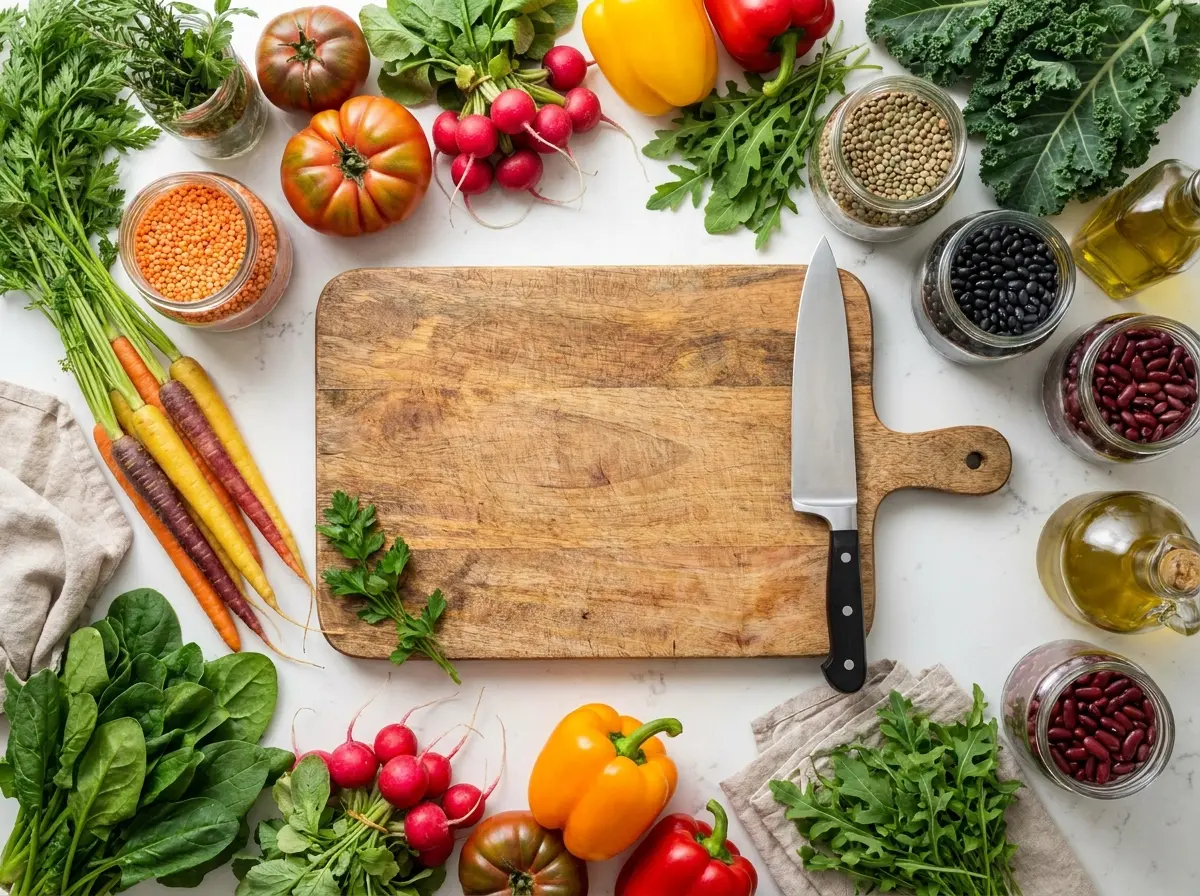
- Plant-Based Proteins: These are your ultimate climate champions. Lentils, beans, peas, and tofu have incredibly low carbon footprints compared to meat. For instance, you could produce over 30 kilograms of tofu or 50 kilograms of lentils for the same carbon emissions as producing just one kilogram of beef. They are nutritious, versatile, and essential for a low-carbon kitchen.
- Lower-Impact Meats: If you aren’t ready to go entirely vegetarian, you can still make a huge difference by shifting which meats you consume. Swapping beef for poultry (like chicken or turkey) can significantly reduce your dietary emissions. Sustainably sourced seafood is another excellent choice; many wild-caught fish and bivalves (like mussels and oysters) require no land or freshwater to raise and have lower carbon footprints than pork or chicken.
- Hardy Vegetables and Grains: Root vegetables (potatoes, carrots, onions), squashes, and whole grains (oats, barley, quinoa) are generally robust, require less intensive farming, and store well without the need for high-energy refrigeration or rapid air transport.
Food Miles and The Power of Seasonal Eating

Have you ever looked at a sticker on a bell pepper and realized it traveled thousands of miles to reach your grocery store? This journey is referred to as “food miles”—the distance food travels from the farm to your plate. The transportation required to move this food globally (whether by plane, ship, or truck) relies heavily on fossil fuels, contributing significantly to a meal’s overall carbon footprint.
One of the most effective ways to slash your food miles is by shopping locally. Visiting local farmers’ markets or joining a Community Supported Agriculture (CSA) program not only supports your local economy but also ensures your food hasn’t taken a cross-country road trip before dinner.
Eating locally goes hand-in-hand with eating seasonally. When you buy strawberries in the summer instead of the dead of winter, you’re avoiding produce that required energy-intensive, heated greenhouse farming or air-freight transport from warmer climates. Mother Nature knows what she’s doing—eating what’s naturally in season in your region is a delicious win for the planet.
Tackling Food Waste: The Hidden Climate Culprit
It’s a heartbreaking reality: roughly a third of all food produced globally goes to waste. But food waste isn’t just an economic issue; it’s a massive climate culprit. When organic matter like food scraps ends up in a landfill, it decomposes anaerobically (without oxygen), releasing methane into the atmosphere.
The good news is that reducing food waste is entirely within our control. It starts with simple meal planning and buying only what you know you will eat. Get creative with your cooking! Those limp carrots and onion skins? Boil them down into a rich, homemade vegetable broth instead of tossing them.
Proper food storage is also vital to extending the life of your groceries. If you’re looking for ways to keep your produce crisp and your leftovers fresh without relying on single-use plastics, check out our favorite kitchen plastic / zero waste swaps.
Of course, there will always be some bits you just can’t eat. For those unavoidable scraps, like banana peels, eggshells, and apple cores, setting up a system for apartment composting ensures they return to the earth as nutrient-rich soil rather than generating greenhouse gases in a local landfill.
Conclusion
Transitioning to a low-carbon kitchen might seem daunting at first, but remember the golden rule of sustainable living: it is about progress, not perfection. You don’t have to overhaul your entire diet overnight to make a difference.
By making simple swaps, prioritizing plant-based meals a few times a week, shopping seasonally, and being mindful of waste, your small dietary shifts will lead to a massive collective impact. Eating for the climate is a delicious, empowering journey that starts right in your own kitchen.
Now, we’d love to hear from you! What is your favorite low-carbon recipe or easy grocery swap? Share your tips in the comments below!